
The Meal That Welcomed Me In
The first time I went to meet my in-laws, I remember being told one thing before I even walked through the door: come hungry. I laughed it off at the time. I had no idea it was actually a warning.
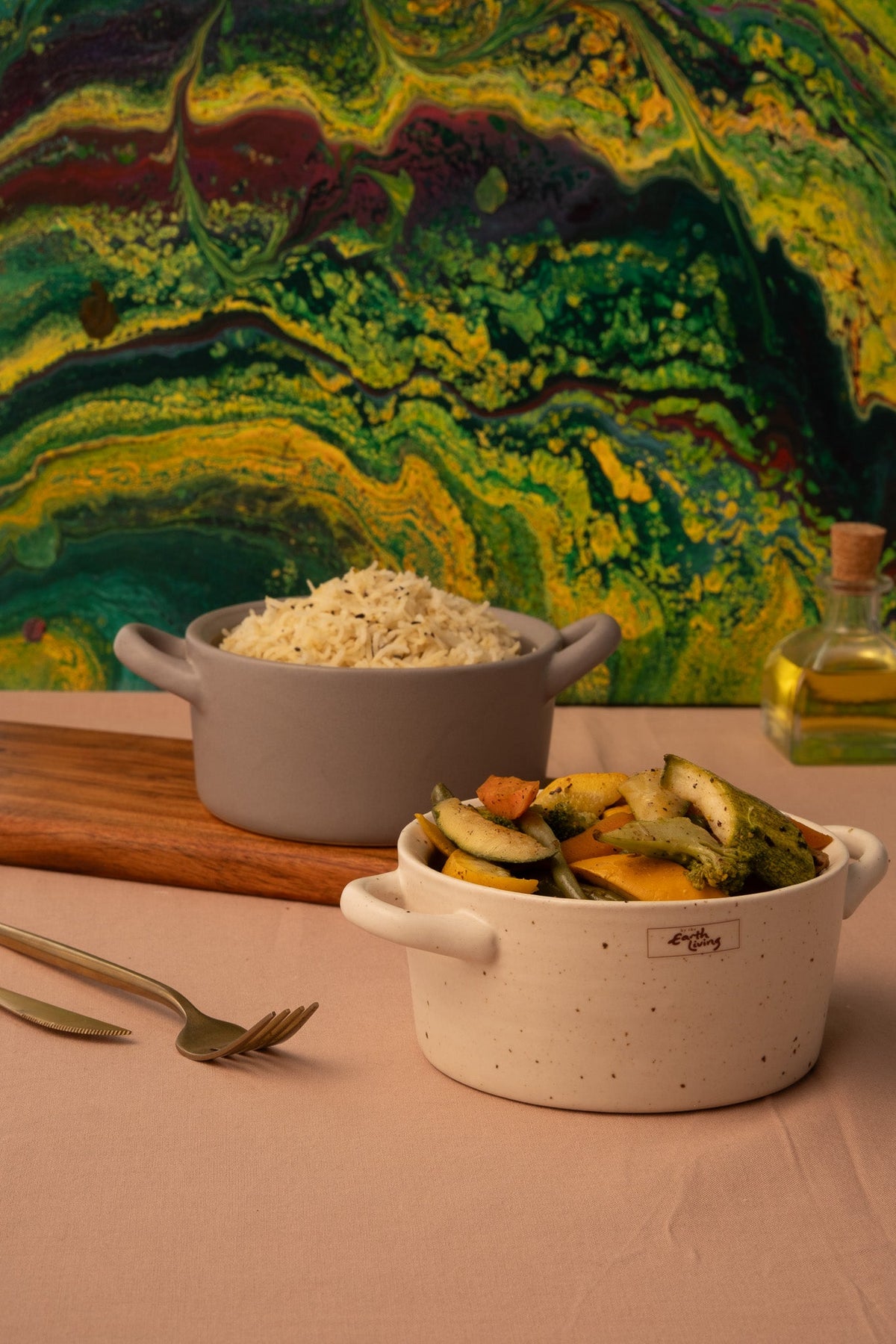
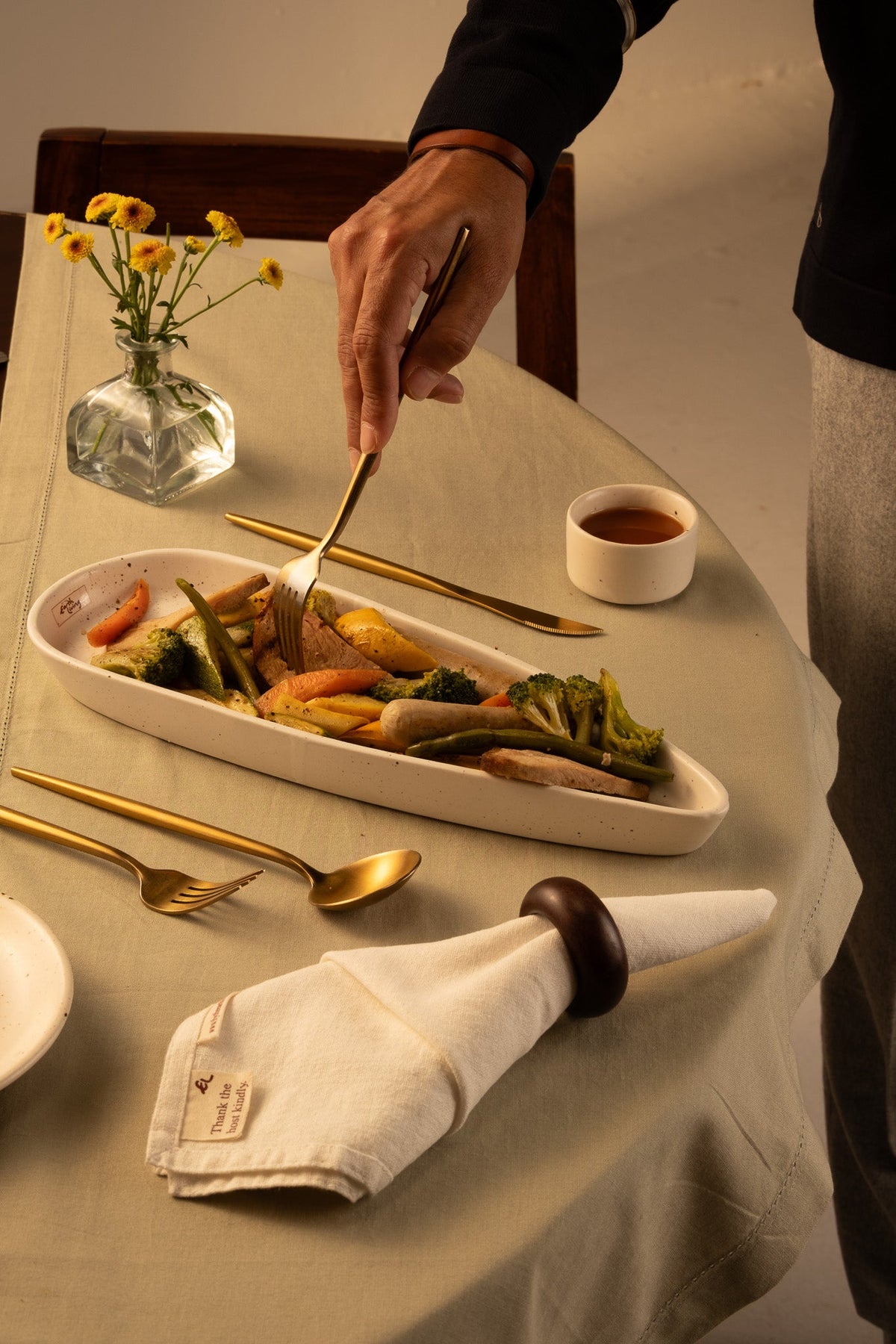
My future mother-in-law had cooked a full spread — her famous chicken curry, a cool bowl of raita to balance the heat, a sabzi loaded with mixed vegetables, a crisp salad on the side, and a stack of fresh, warm roti that never seemed to run out. The table was full before I even sat down, and it only kept filling up.
What I didn't understand yet was that in her house, "no thank you, I'm full" isn't really a sentence you're allowed to finish. Every time my plate got close to empty, another spoonful appeared. Stopping wasn't really an option — not because anyone was forcing me, but because the food itself made it impossible. The chicken curry alone had this depth to it, layers of spice that unfolded the longer you sat with each bite, and the raita cut through it at just the right moment so you'd reach for more curry all over again. The sabzi was the kind of simple, well-seasoned comfort that makes you realize the "side dish" was secretly the star. Even the salad, the one thing on the table that should've been a light breather, somehow ended up back on my plate for round two. And the roti just kept coming, soft and warm, practically built for scooping up one more bite.
By the time I was easing into seconds, I wasn't doing it out of politeness anymore. I was doing it because the food deserved it. Turning down thirds started to feel less like restraint and more like an insult to everything she'd put into that meal — the hours, the care, the whole point of cooking like that in the first place. So I didn't stop. I ate until I genuinely couldn't anymore, and even then I remember thinking I could've kept going if my stomach had let me.
I walked in nervous about making a good impression. I walked out barely able to move, completely won over — not just by the meal, but by what it meant. That table was never really about the food. It was about being folded into a family before a single formal word was exchanged, one overflowing plate at a time.
I understand now that this is simply how a mother shows her love. She doesn't say it, she cooks it — every dish on that table was her way of telling me I was welcome, that I mattered, that I was already hers to take care of. That's her love language, plain and simple: feed them until they can't doubt for a second how much they're loved.
Lesson learned for every visit since: don't eat beforehand. You'll need the room. And honestly, that's what By The Earth Living is all about — gathering well, around a table, with people who feed you like family.

Written by By The Earth Living

Leave a comment
This site is protected by hCaptcha and the hCaptcha Privacy Policy and Terms of Service apply.